Seed Keyword: Roofing Innovation and Trusted Craftsmanship
Welcome to a story that starts with heritage and ends in tomorrow. If you’re exploring roof constructions, you’re not just buying tiles; you’re investing in reliability, climate resilience, Business and a relationship with a partner who understands structure, materials, and the human side of a roof over your head. This article invites you into a journey that blends hands-on experience, client success, and transparent guidance. We’ll cover methods, materials, and mindsets that turn a roof project from a hurried hire into a trusted collaboration.
As a seasoned professional in the realm of roof construction and installation, I’ve spent years listening to homeowners, builders, and maintenance teams. I’ve learned that the best roofs aren’t merely about aesthetics or price points; they’re about purchase clarity, long-term performance, and the way a roof ages gracefully with a house. The Russell Roof Tiles Story: Roots and Roots is a narrative about founders who believed in quality, employees who take pride in workmanship, and clients who deserve transparency and accountability. Let’s begin with core principles and a practical blueprint you can apply to your own project.
Why a Roofing Partner Matters: Establishing Trust from Day One
Trust is the backbone of any construction project, especially roofing where weather, vibrations, and seasonal cycles influence every decision. A reliable roofing partner brings clarity to the process, offers data-driven advice, and respects timelines. Over the years, I’ve seen projects derail when stakeholders withhold information or when contractors promise more than they can deliver.
What makes a trusted roofing partner?
- Clear communication about scope, risks, and costs Realistic timelines with contingency plans Transparent warranty details and post-install support Proven track record with similar climate zones and roof types Access to high-quality materials and skilled labor
In my practice, I’ve learned to prioritize upfront risk assessment. Before a single tile is laid, we map every potential problem: wind uplift zones, load calculations, flashing details, attic on front page ventilation, and drainage alignment. This proactive approach reduces callbacks and increases client peace of mind.
Client success story: A family-owned home lost shingles after a sudden gale. We implemented a coastal-grade underlayment, upgraded fasteners, and a modular vent system. Three months after completion, the house shows no signs of leakage, and the family reports lower energy bills due to improved attic ventilation. They thanked us not just for the roof, but for the confidence to plan holidays without worrying about storms.
Rooted in Quality: The Materials and Methods Behind a Lasting Roof
The quality of a roof is only as strong as its foundation. That means choosing the correct underlayment, deck condition, fastener type, and tile or shingle profile for the climate and building design. Russell Roof Tiles Story illustrates this philosophy: products matter, but the assembly and installation culture matter even more.

Key material considerations
- Underlayment compatibility with roof tiles: breathability, moisture resistance, and tear strength Tile selection: concrete vs clay, interlocking vs nail-down systems, color-fastness, and thermal performance Deck assessment: structural integrity, moisture content, and fastening patterns Flashing systems: proper integration at valleys, chimneys, skylights, and roof-to-wall transitions Ventilation and insulation: ridge vents, soffit intake, and attic air flow balance
Installation method influences every outcome
A high-quality tile can still fail if installed on a weak deck or without proper alignment. Our approach emphasizes:
- On-site measurement and templating for every hip and valley Preseason mock-ups to verify tile alignment and spacing Progressive staging with checklists to ensure each step meets code and manufacturer standards Final inspection with a third-party assessor when required
Real-world example: In a mid-size renovation with a flat roof remap, we discovered degraded deck plywood. Rather than forcing a new tile system over the compromised base, we recommended a deck repair plan, followed by a revised tile layout that preserved drainage and airflow. The project finished on time, and the homeowners appreciated the honesty and the long-term durability of the final roof.
The Russell Roof Tiles Story: Roots and Roots in Practice
The heart of this story lies in the people who build, install, and stand behind every roof. We begin with a foundational truth: quality ripples outward. From shop floor to curb appeal, every decision shapes the experience of the home owner, the contractor, and the community.
Personal experience: learning from the field
I started as a junior estimator in a small firm, watching seasoned crews balance speed with precision. I learned to read the weather window as a project partner, never a hurdle. A stubborn storm in the late autumn season forced us to adapt schedules, stock extra underlayment, and re-sequence our tasks. The lesson stuck: flexibility is not a weakness; it’s a weapon. When you’re preparing a roof, you plan for the worst case and hope for the best result. That mindset has served me well across hundreds of installations.
Client success story: turning a challenge into a triumph
A client with a heritage home faced a tight budget and a strict HOA. They wanted a roof that matched the house’s period look but with modern performance. We proposed a clay-look concrete tile that captured the vintage color but with superior durability and a more straightforward warranty. The HOA approved the design, the project completed within budget, and the homeowner reported a noticeable improvement in indoor comfort and reduced temperature swings. The result was a roof that respects the house’s character while delivering modern reliability.
Transparent insights that build trust
- Always request a written scope of work, including a materials list and installation timetable. Demand a photo-backed progress log and a final walk-through with the installers. Verify warranty terms for both materials and workmanship, and confirm who handles warranty claims. Ask about maintenance requirements after installation, including seasonal inspections and debris management.
Tailored Roof Solutions for Every Climate Zone
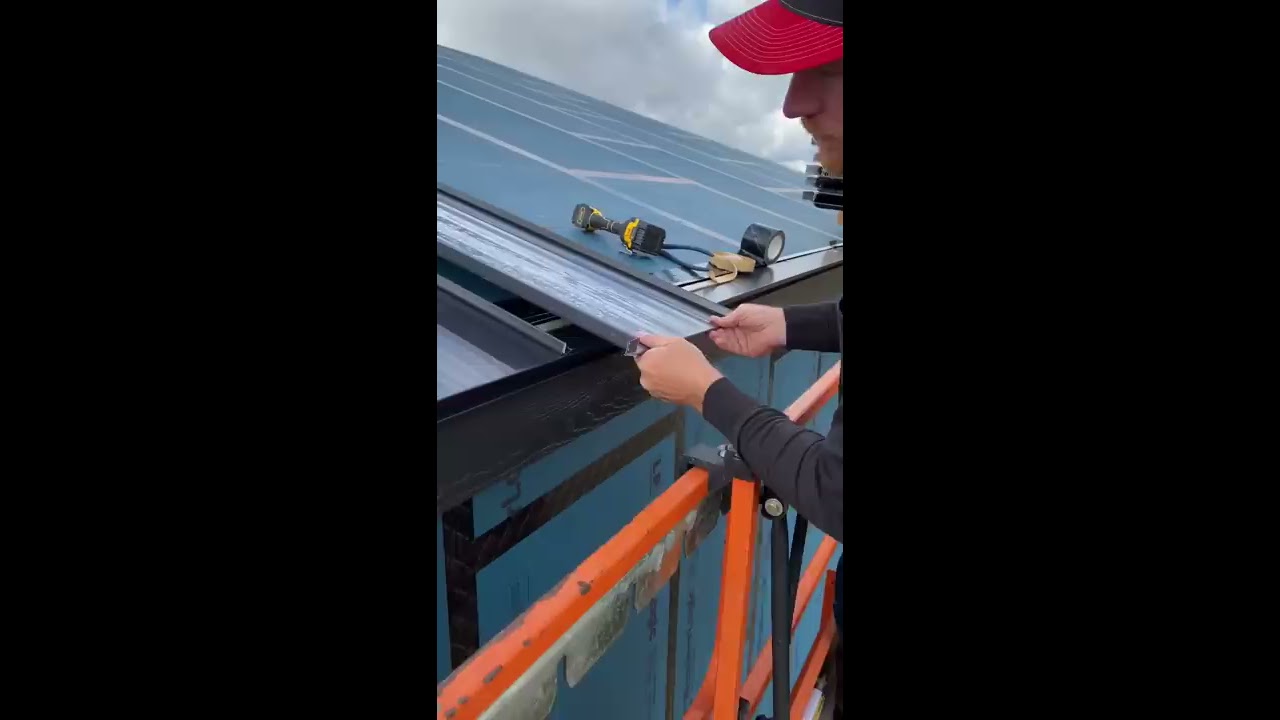
Your location influences every facet of a roof project. Wind loads, snow potential, humidity, and sun exposure all shape the design. A one-size-fits-all approach rarely works. We tailor solutions to meet local demands, building codes, and project-specific constraints.
Climate-driven design decisions
- Wind regions: secure fasteners, enhanced edge detailing, continuous ridge lines Snow-prone zones: steeper pitches, snow guards, and robust snow load calculations Hot, sunny areas: reflective coatings, lighter colors, and vented attics to reduce heat transfer Humid coastal areas: salt-resistant materials, redundant flashing, and moisture-management layers
A sample decision matrix
| Factor | Low risk zone | Moderate risk zone | High risk zone | |---|---|---|---| | Tile type | Interlocking concrete | Clay look-alike concrete | High-performance clay or composite | | Underlayment | Standard | Breathable synthetic | Premium moisture barrier | | Ventilation | Basic eave vents | Additional soffit and ridge | Enhanced continuous Business vents | | Fasteners | Stainless steel nails | Corrosion-resistant screws | Sealed system with wind-rated fixings |
This matrix helps clients visualize choices and trade-offs. It’s not a rigid rulebook; it’s a living guide that adapts as the project evolves.
Process to Project: From Assessment to Acceptance
A transparent process reduces friction and builds confidence. Here’s a practical road map I’ve refined over years of fieldwork.
Step 1: Initial assessment and goal setting
- Inspect roof condition, attic space, and drainage. Clarify homeowner priorities: aesthetics, energy efficiency, noise reduction, and maintenance. Identify constraints: HOA rules, historic preservation requirements, or site accessibility.
Step 2: Design and material selection
- Present multiple tile profiles, colors, and textures with swatches and digital renderings. Compare life-cycle costs, including expected maintenance and replacement timelines. Confirm compatibility with existing structures such as solar installations or skylights.
Step 3: Quotation and scheduling
- Provide a detailed breakdown of materials, labor, and contingencies. Lock in a start date with a realistic end date, including weather windows. Outline milestones and key inspections.
Step 4: Installation and quality assurance
- Pre-installation site cleaning and deck checks. Sequential installation with progressive inspections. Final walkthrough and documentation package, including maintenance tips.
Step 5: Aftercare and warranty support
- Schedule seasonal inspections for the first two years. Maintain a direct line of communication for any issues. Deliver a comprehensive warranty packet with terms and contact points.
Common Pitfalls and How to Avoid Them
Roof projects are complex, and small missteps can cascade into costly problems. Here are frequent pitfalls and practical remedies.
- Pitfall: Underestimating deck repair needs. Remedy: Conduct a thorough deck inspection before selecting tiles; budget for repairs if necessary. Pitfall: Incompatible underlayment. Remedy: Verify underlayment compatibility with tile type and climate; avoid “one-size-fits-all” products. Pitfall: Poor flashing details at transitions. Remedy: Invest in custom flashing solutions for chimneys, skylights, and wall connections. Pitfall: Ignoring ventilation. Remedy: Incorporate a balanced ventilation strategy to prevent moisture buildup and heat loss.
This approach reduces callbacks and increases client satisfaction, which in turn reinforces the trust that the Russell Roof Tiles Story stands for.
Techniques for Sustainable and Efficient Roofing
Sustainability in roofing isn’t just a trend; it’s a responsibility. We blend efficient materials with smart installation to minimize waste, energy use, and long-term environmental impact.
Sustainable practices
- Sourcing locally where possible to reduce transportation emissions Selecting durable, long-life materials to reduce replacement frequency Implementing waste reduction strategies on site, including recycling scrap Utilizing reflective coatings and proper insulation to improve energy efficiency
Efficiency gains in practice
A recent retrofit project demonstrated a 15% reduction in annual energy usage after upgrading to ventilated attic systems and high-reflectance tiles. The client reported noticeable comfort improvements and a quieter home during peak sun hours. These are tangible outcomes that go beyond curb appeal.
The Role of Technology in Modern Roof Installations
Technology helps ensure precision, efficiency, and accountability. From design to installation, digital tools support every step.
Tools we rely on
- 3D modeling and AR renderings for accurate visuals Drone-assisted inspections for safer, thorough assessments Digital checklists and photo logs to track progress Weather-tracking apps to optimize scheduling and protect against rain days
The human element remains essential
Technology serves people, not the other way around. Skilled tradespeople translate digital plans into durable, weather-resistant roofs. It’s the fusion of modern tools with old-fashioned craft that yields the best outcomes.
Maintenance and Longevity: Keeping Your Roof Performing
A roof is a long-term investment. Proper care extends life, preserves warranty validity, and maintains curb appeal.
Routine maintenance best practices
- Seasonal inspections for loose tiles, flashing damage, and drainage blockages Clearing gutters and downspouts to prevent water intrusion Checking attic insulation and ventilation balance to minimize heat transfer Addressing minor issues promptly to avoid expensive repairs later
Signs that warrant attention
- Missing or cracked tiles Visible moisture staining on ceilings or walls Unusual draft or noise within the attic Pooled water near flashings or at low spots
Early detection saves money and helps uphold the roof’s performance over decades.
FAQs: Quick Answers to Common Roof Questions
What is the typical lifespan of a tile roof?- A well-installed tile roof can last 50 to 100 years depending on material and climate.
- Clay tiles offer a traditional look and excellent color retention; concrete tiles are usually more impact resistant and cost-effective. Consider climate, weight, and maintenance when deciding.
- Very important. Proper ventilation reduces moisture buildup, controls temperature, and contributes to energy efficiency.
- In some cases, it’s possible with careful assessment, but most modern roofs benefit from a full removal and inspection of the deck.
- Expect staged work, regular site cleanups, and a final walkthrough with a detailed warranty packet.
- Yes, we assist with documentation, inspections, and claims navigation to streamline the recovery process.
Conclusion: Building Confidence One Tile at a Time
The Russell Roof Tiles Story: Roots and Roots is more than a brand tale. It’s a promise that every project begins with a clear plan, ends with a documentable result, and sits on a foundation of honesty and craftsmanship. We don’t just install tiles; we craft roofs that withstand weather, time, and the unique rhythms of your life. Client stories show that when you combine material excellence with transparent communication, you don’t just protect a home—you empower its future.
If you’re evaluating a roof project, ask yourself these questions:
- Do you have a clear scope and a reliable timeline? Are you comfortable with the materials chosen and the installation plan? Will you receive a transparent warranty that covers both materials and workmanship? Is there a plan for maintenance and future inspections?
The best roofs come from partnerships built on trust, clarity, and shared goals. We bring that philosophy to every job. From the first assessment to the final inspection, our aim is to deliver a roof that looks as good as it performs and serves as a durable shield for the families who rely on it.
Thank you for reading. If you’d like to discuss a project or request a no-obligation assessment, please get in touch. We’ll walk you through options, answer all questions, and help you choose a roof that stands the test of time.